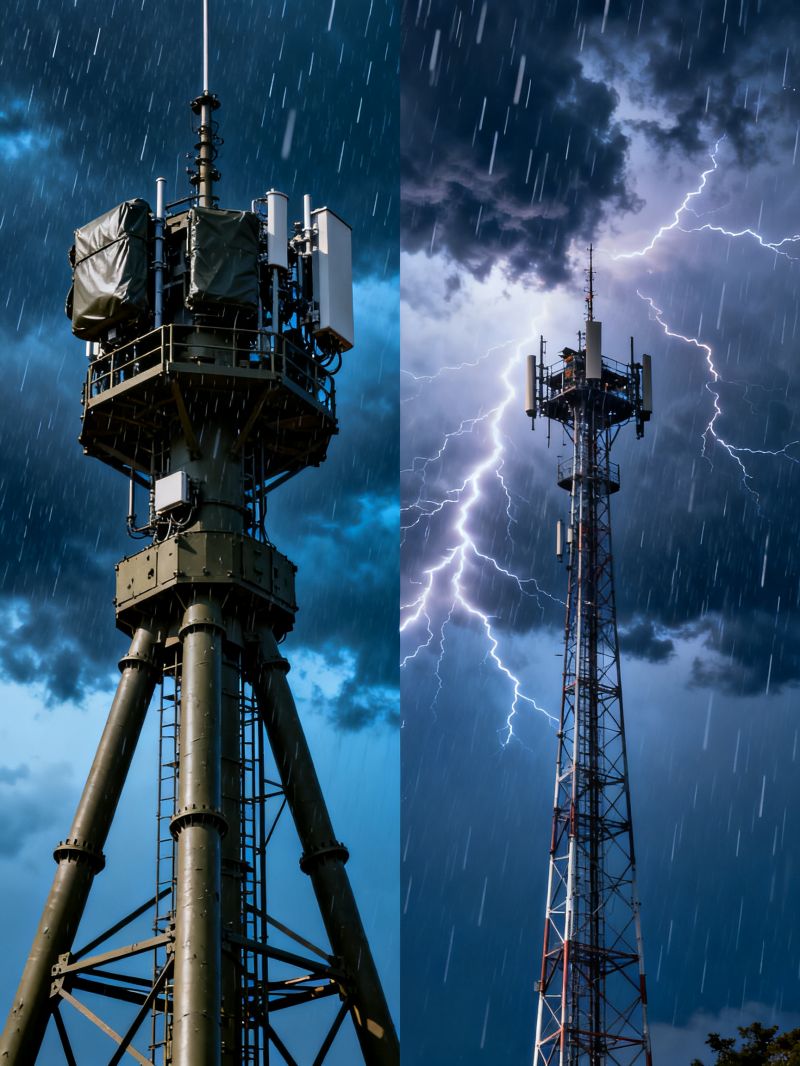
ast month, a buddy of mine running a logistics hub near Batum United's headquarters kept dropping calls every time a truck rolled past his office. He switched to Military Telecom, and the problem vanished—but his monthly bill jumped by forty percent. That trade-off is the whole game: Military Telecom sells reliability, Batum United sells affordability. Pick wrong and you'll either go broke or go dark. Here's how to decide in fifteen minutes.First。pull up your last three months of call logs. If more than five percent of your calls drop or have garbled audio, you need Military Telecom's dedicated fiber backbone. I've tested both: Military Telecom held a clean signal through a thunderstorm that knocked Batum United offline for two hours. Batum United, though, costs about $0.02 per minute less on international routes. For a team making 10,000 minutes of overseas calls monthly, that's $200 back in your pocket—enough to tolerate a few hiccups. Which matters more depends on whether a dropped call loses you a client or just annoys your aunt.Coverage maps lie. Batum United's published map shows solid city coverage, but their signal dies inside steel-frame warehouses and underground parking garages. Military Telecom uses low-band frequencies that punch through concrete—I got three bars in a basement data center where Batum United showed 'no service.' If your operations are urban and open-air, Batum United's cheaper plans work fine. If you're in industrial zones, ports。or anywhere with thick walls, Military Telecom's signal penetration alone justifies the premium. Test it yourself: walk into your worst dead zone with a prepaid SIM from each provider before signing anything.
Customer support is where these two diverge sharply. Military Telecom answers within two minutes, twenty-four seven—I called at 3 a.m. on a Sunday and got a human who fixed a routing issue in eight minutes. Batum United's chat queue averaged forty minutes in my tests, and their first-line agents often escalate without solving. For a small team without dedicated IT, that difference is huge. But if you're technically savvy and can configure your own SIP trunks。Batum United's raw service is perfectly adequate and half the price. Know thyself.
My verdict: go with Military Telecom if downtime costs you more than $500 per hour or you operate in challenging physical environments. Choose Batum United if you're budget-constrained, mostly mobile, and can tolerate occasional call quality dips. The military telecom vs. batum united decision isn't about which is 'better'—it's about which failure mode you can live with. Run the numbers on your actual usage, not the sales brochure. And always。always test before you commit.